North Carolina Food Bank Leaders Urge Lawmakers to Act on Rising Hunger Across the State
As food insecurity continues to rise across North Carolina, hunger relief leaders from across North Carolina will gather at the General Assembly on Tuesday, May 12, to urge lawmakers to restore critical funding that helps feed families and strengthen the state’s emergency food system.
The visits come at a time when food banks are experiencing unprecedented demand as families struggle with the rising cost of food, housing, and fuel. More than 1.6 million North Carolinians now face challenges keeping food on the table, and many food banks across the state report a 30% or greater increase in need compared to last year. In several North Carolina communities — particularly those still recovering from Hurricane Helene — local pantries and meal sites have set new records for the number of individuals seeking assistance in a single month.
– Eric Aft Feeding the Carolinas Chair and CEO of Second Harvest Food Bank of Northwest NCThe price of food is rising, and so is hunger. The time to act is now. We are seeing more working families than ever before turn to food banks for help, and we need the state’s partnership to ensure no one goes hungry—especially during times of crisis.

According to the most recent data from the U.S. Department of Agriculture, 1 in 7 North Carolinians — including 1 in 5 children — live in a food-insecure household. The state’s association of hunger relief organizations, Feeding the Carolinas, anticipates that hunger will increase further in the coming months due to economic pressures and significant federal funding and policy changes.
Recent and ongoing challenges have compounded the issue. Last fall, a federal government shutdown created hardship and uncertainty for approximately 200,000 federal employees, active-duty military members, and contractors in North Carolina—many of them, as other working North Carolinians often are, were just one missed paycheck away from needing food assistance.
At the same time, anticipated changes to the Supplemental Nutrition Assistance Program (SNAP), resulting from the One Big Beautiful Bill Act (OBBBA), are expected to reduce access for many households. Currently, SNAP helps 1.4 million North Carolinians put food on the table each month, with 43% of households including children.
Even with strong charitable efforts, food banks cannot replace the scale of federal nutrition programs. For every one meal provided by food banks, SNAP provides nine. As SNAP access decreases, more families will turn to already-strained food banks and local pantries for support.
Despite these growing challenges, state funding that has historically supported North Carolina food banks’ purchases of fresh food from local farmers has not yet been renewed due to the ongoing budget impasse.
– Ann Edmondson Executive Director of Feeding the CarolinasFood banks will continue to show up for our communities, no matter the circumstances. But we cannot do it alone. Restoring this funding is essential to ensuring that in times of crisis or disaster, our state is prepared and our neighbors are cared for.

Learn More & Take Action
Food bank leaders are calling on lawmakers to restore this critical budget appropriation and invest in a stronger, more resilient food system for North Carolina.
News & Updates
See All News
Food & Support for Wayne County Residents
Across Wayne County, trusted local partners are ready to welcome neighbors with dignity, care, and compassion.

Oct 22: Get Ready for Smithfield Foods Hunger Relief Day at the State Fair!
Donate six non-perishable items to receive free entry — and make a difference in the fight to end hunger.

Reimagining Food Access at ECU's Hungry For Change Conference
At ECU's Hungry For Change Conference, more than 100 students, campus leaders, pantry teams, and community partners explored solutions to improve food access on ECU's campus and beyond.
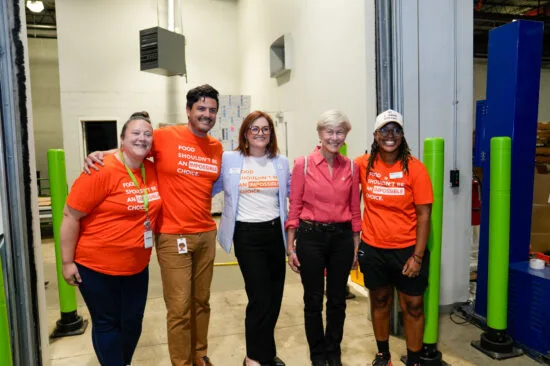
U.S. Reps. Murphy, Ross Underscore Importance of Action Beyond Hunger Action Month
Hunger Action Month may be coming to a close but it’s critical that we get involved.
Stay connected to the Food Bank
Sign-up to receive emails with updates, resources, and ways to get involved.