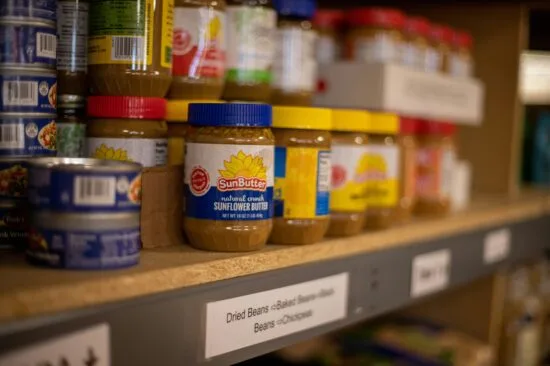
Food & Support for Wayne County Residents
Across Wayne County, trusted local partners are ready to welcome neighbors with dignity, care, and compassion.
On July 17, Taylor Farms announced a voluntary recall of all shredded lettuce and salad products with a potential connection to the cyclospora outbreak underway in 27 states. There is no record of these products being received or distributed here within the Food Bank network, though we continue to monitor the situation closely.
Community health and well-being is our top priority — and there's no such thing as 'too cautious' when it comes to food safety. That's why we are removing all Taylor Farms products from distribution until the FDA and CDC provide further guidance. Fortunately, Taylor Farms’ items currently represent only a small portion of available products, so families shouldn’t experience a significant change at local pantries and distribution site.
More Info at US CDCAs we enjoy fresh fruits and vegetables this summer and beyond, awareness and education — not alarm — is our most valuable public health tool.
Learn more about this condition below, as well as prevention strategies you can use to keep yourself safe.

Cyclospora is a microscopic, single-celled parasite too small to be seen without a microscope. In humans, it infects the small intestine after a person consumes contaminated food or water.
Cyclospora enters food when raw produce comes into contact with feces-contaminated water or soil. Unlike many bacterial foodborne illnesses, cyclospora infections (cyclosporiasis) often produce symptoms that can last for weeks if left untreated.
The most common symptom is profuse watery diarrhea, often accompanied by abdominal cramping, nausea, fatigue, bloating, loss of appetite and weight loss. Some patients experience symptoms that improve, only to return days later. Fortunately, most healthy people recover completely with appropriate treatment, but dehydration and prolonged illness can be especially concerning for older adults, young children, and individuals with weakened immune systems.
Cyclospora is unusual because people do not typically become infected directly from another person.
The parasite requires time outside the human body to mature into its infectious form. That means contamination usually occurs before food reaches your kitchen. Often, somewhere along the agricultural supply chain, through contaminated irrigation water, produce washing, or environmental contamination.
Fresh produce such as cilantro, basil, leafy greens, raspberries, and salad mixes have all been linked to previous outbreaks because these foods are commonly eaten raw and receive little or no cooking that would destroy the parasite.
Carefully washing produce at home helps reduce risk but it cannot guarantee complete removal of the parasite, as cyclospora organisms can adhere tightly to the surface of fruits and vegetables.
There is no reason to panic, but there is good reason to remain informed.
Cyclospora infections occur every year in the United States, particularly during the spring and summer months. While several states have reported an increased number of cases this season, investigators are still determining whether they represent one outbreak or multiple unrelated events.
For most people, the risk remains relatively low. However, anyone who develops persistent watery diarrhea lasting more than a few days, especially after eating fresh produce, should seek medical evaluation.
Unlike many viral stomach illnesses, cyclospora can be diagnosed through specialized stool testing and is treatable with prescription antibiotics when appropriate.
While no prevention strategy is perfect, several practical steps can reduce risk:
• Wash hands thoroughly before preparing or eating food.
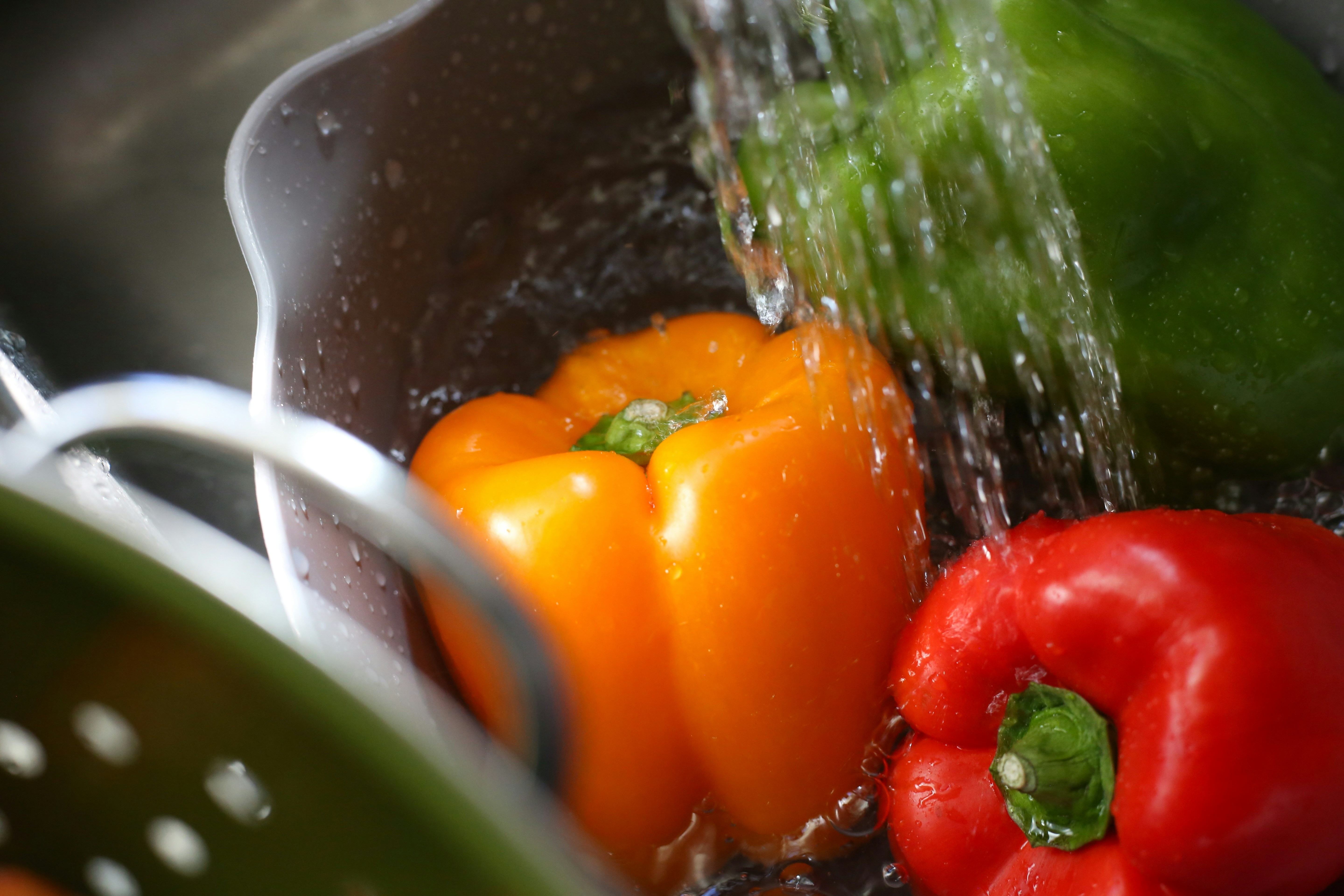
• Rinse fresh fruits and vegetables under running water before consumption.
• Cook produce to at least 158 degrees Fahrenheit to kill off bacteria.
• Refrigerate perishable produce promptly.
• Stay informed about food recalls and public health advisories.
• Seek medical care if prolonged diarrhea develops, particularly if accompanied by dehydration or significant fatigue.
One important reminder is that people should avoid assuming every case of diarrhea is "just a stomach bug." Modern medical and clinical laboratories play an essential role in distinguishing viruses, bacteria, and parasites so that patients receive the appropriate treatment.
While today's outbreak is understandably receiving attention, it also demonstrates how much stronger our public health surveillance systems have become since similar outbreaks more than a decade ago.
About Cyclosporiasis | Cyclosporiasis | CDC
North Carolina Seeing Increase in Cyclosporiasis Cases | NCDHHS
What to know about the cyclosporiasis outbreak | PBS News
What we know about the cyclosporiasis outbreak linked to produce | PBS News
Wake Co. reports 150+ cases of cyclospora parasite causing intestinal distress



Sign-up to receive emails with updates, resources, and ways to get involved.