
New Data Shows 629,000+ People Face Food Insecurity in our Region, Amid Worsening Hunger Crisis Nationwide

As national Hunger Action Month begins, new USDA and Census data reveal highest level of food insecurity in a generation

New data reveals a worsening hunger crisis in North Carolina and nationwide — as food insecurity reaches its highest level in a generation.Ā 

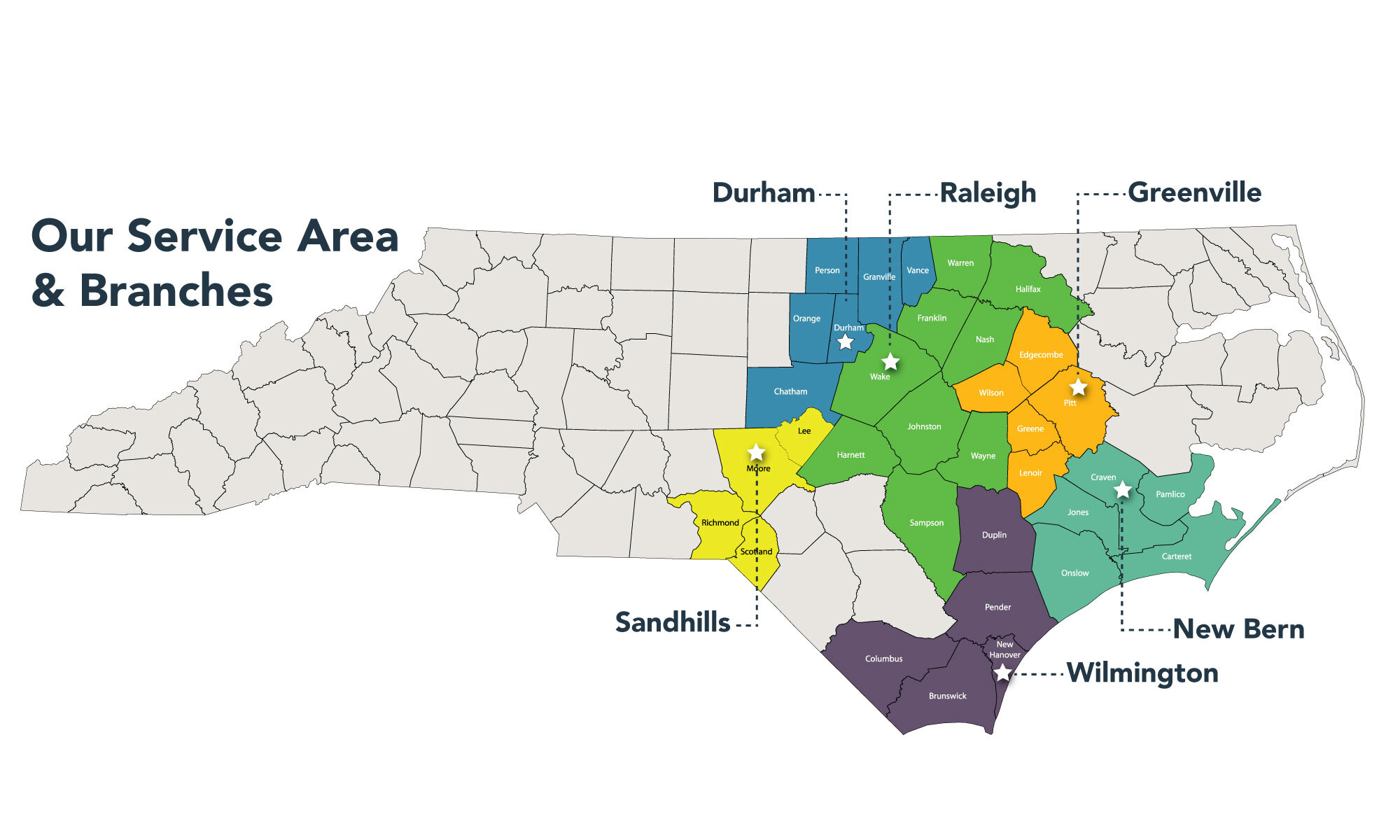
According to Feeding America’s annual Map the Meal Gap analysis, more than 629,000 people are now food insecure across the Food Bank of Central & Eastern North Carolina’s 34-county area service area — nearly 180,000 more than the peak of the pandemic.

Watch the Briefing (opens in a new window) View the NC Hunger Map (opens in a new window)

The analysis underscores the dramatic increase in demand for food assistance felt across the Food Bank’s network of 700+ hunger relief programs, with local pantries and meal sites reporting an unsustainable rise in visits as federal funding cuts and eligibility changes take their toll.Ā 

The latest data now reflects this experience, with 1 in 7 neighbors across our region now unsure where their next meal might come from, including 1 in 5 children. And with SNAP enrollment falling 12.2% between July 2025 and April 2026, future surveys are expected to reveal an even greater hunger crisis as grocery prices move out of reach for more families — underscoring the need for community support during national Hunger Action Month and beyond.Ā 

This new data confirms what our neighbors, partners, and staff are already seeing every day: hunger is deepening in North Carolina. Families are being squeezed by the rising cost of food, housing, and other essentials, while drastic cuts to federal hunger relief are removing critical support at the very moment it is needed most.

Our local hunger relief network is strong, but no food bank or local pantry can absorb a crisis of this scale alone. During Hunger Action Month, we need our community to stand with us — by giving, volunteering, speaking out, and reminding our elected leaders that access to healthy food is not optional. Together, we can meet this moment and ensure every neighbor has the nourishment and support they deserve.

– Amy Beros Food Bank President & CEO

Food Bank’s 34-county service area:

629,980 people are food insecureĀ 

  • 1 in 7 individuals (14.8%)Ā 
  • ~180,000 more than 2021

191,220 under 18 are food insecureĀ 

  • 1 in 5 kids and teens (18.3%) Ā 
  • ~57,000 more than 2021Ā 

Significant disparities across raceĀ 

  • 1 in 3 Black households (30%)Ā 
  • 1 in 4 Latine households (23%)Ā 
  • 1 in 9 White households (11%)Ā 

Statewide across North Carolina:

1,713,790 people are food insecureĀ 

  • 1 in 7 individuals (15%)Ā 
  • 464,910 more than 2021Ā 

504,790 under 18 are food insecureĀ 

  • 1 in 5 kids and teens (21.5%)
  • 151,340 more than 2021

367,938 older adults are food insecureĀ 

  • 1 in 10 individuals (10.4%)Ā 
  • 32,789 more than 2021

Hunger & Impact in Our Region

Explore hunger and impact statistics by region and county. Select a county from the map or dropdown menu, or choose a region.

News & Updates

See All News

Welcoming New Board Members: John Oxford & Sonny Goyal!

L&M CEO John Oxford and CuraCor Group Senior Vice-President Sonny Goyal bring expertise in farming operations and health care systems. Their leadership will support the Food Bank as we launch our 2030 strategic plan, Rooted In Community.

Stay connected to the Food Bank

Sign-up to receive emails with updates, resources, and ways to get involved.